"Medical-grade" is one of the most overused phrases in skincare — printed on everything from £12 serums to genuine in-clinic treatments, with very little separating the two in the customer's mind. As a therapist, I think clients deserve to know what the term should actually mean, which ingredients have real evidence behind them, and why a product you can only get through a clinic often works differently to the one sitting on a shop shelf with almost the same label.
What "Medical-Grade" Actually Means
The term has no single legal definition, but in professional practice it generally refers to two things: active ingredients used at concentrations only available under professional supervision, and formulations designed to penetrate to a depth that over-the-counter products are deliberately restricted from reaching for safety reasons. This is the same logic behind why a clinic can offer a higher-percentage retinoid or a professional chemical peel that a retail product legally cannot.
The Ingredients With Real Evidence
- Retinoids — the most extensively studied anti-ageing ingredient in dermatology, shown in controlled trials to measurably improve photoaged skin by increasing collagen production and cell turnover1
- Vitamin C (L-ascorbic acid) — a genuine antioxidant and a required cofactor for collagen synthesis, with well-documented protective effects against UV-induced oxidative stress2
- Niacinamide (vitamin B3) — repeatedly shown to strengthen the skin barrier and improve tone and texture, one of the better-tolerated actives for sensitive skin3
- Broad-spectrum SPF — still, by a wide margin, the single most evidence-backed anti-ageing product that exists, demonstrated in a randomised controlled trial to measurably slow visible skin ageing over time4
Clients are often surprised that the most "boring" product in their routine — sunscreen — has stronger clinical evidence behind it than almost anything else on the shelf. Good skincare isn't about finding a miracle ingredient. It's about consistency with the ones that are already proven.
Why the Barrier Isn't the Enemy
A lot of current skincare marketing is built around exfoliation and "resurfacing" — the implication being that stripping the skin back is always progress. Clinically, that's not accurate. The skin barrier is what keeps moisture in and irritants out, and over-exfoliating it tends to produce sensitivity, redness and a compensatory increase in oil production, not better skin. Effective medical-grade skincare works with the barrier — repairing and strengthening it — rather than treating it as an obstacle to remove.
What We Actually Recommend
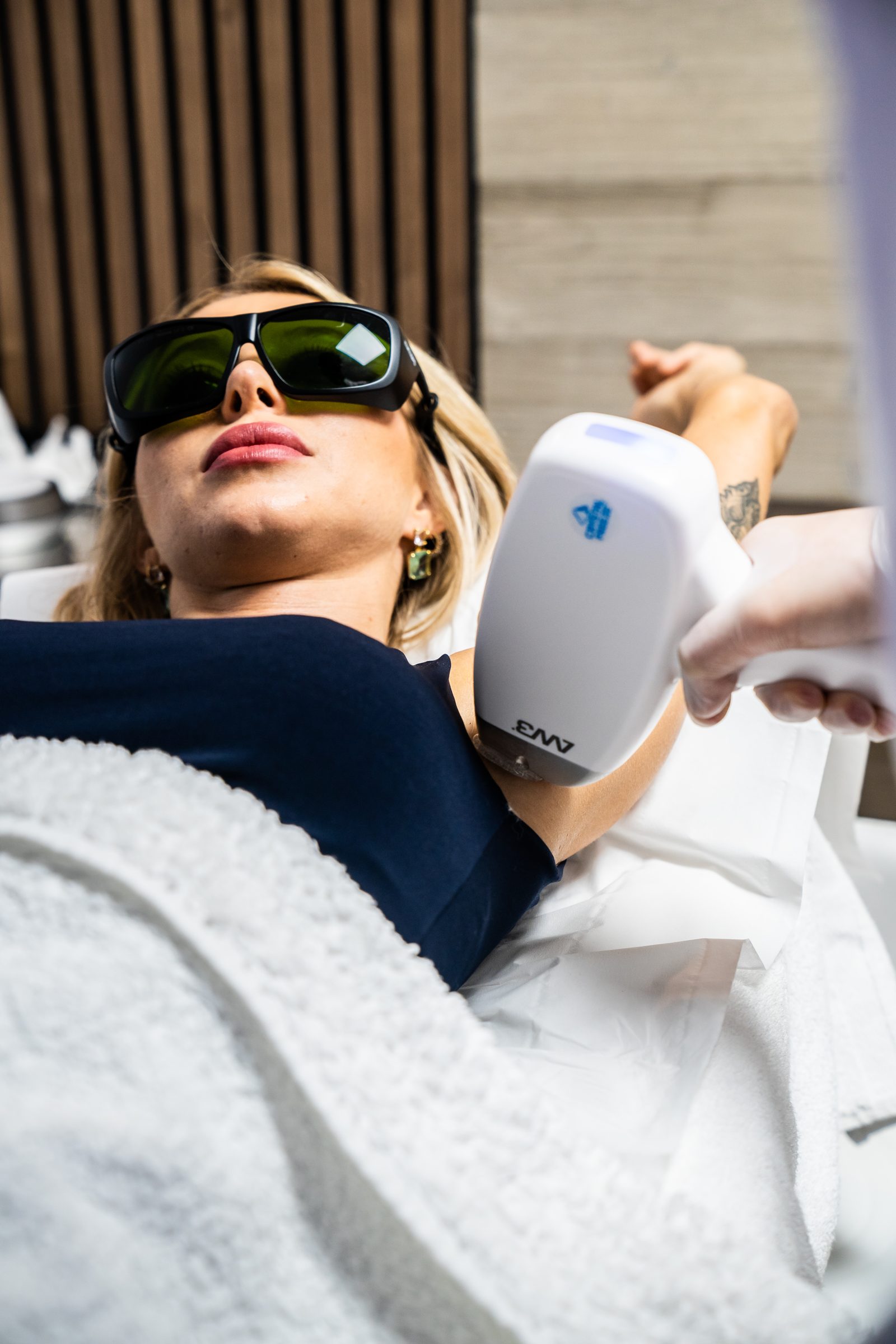
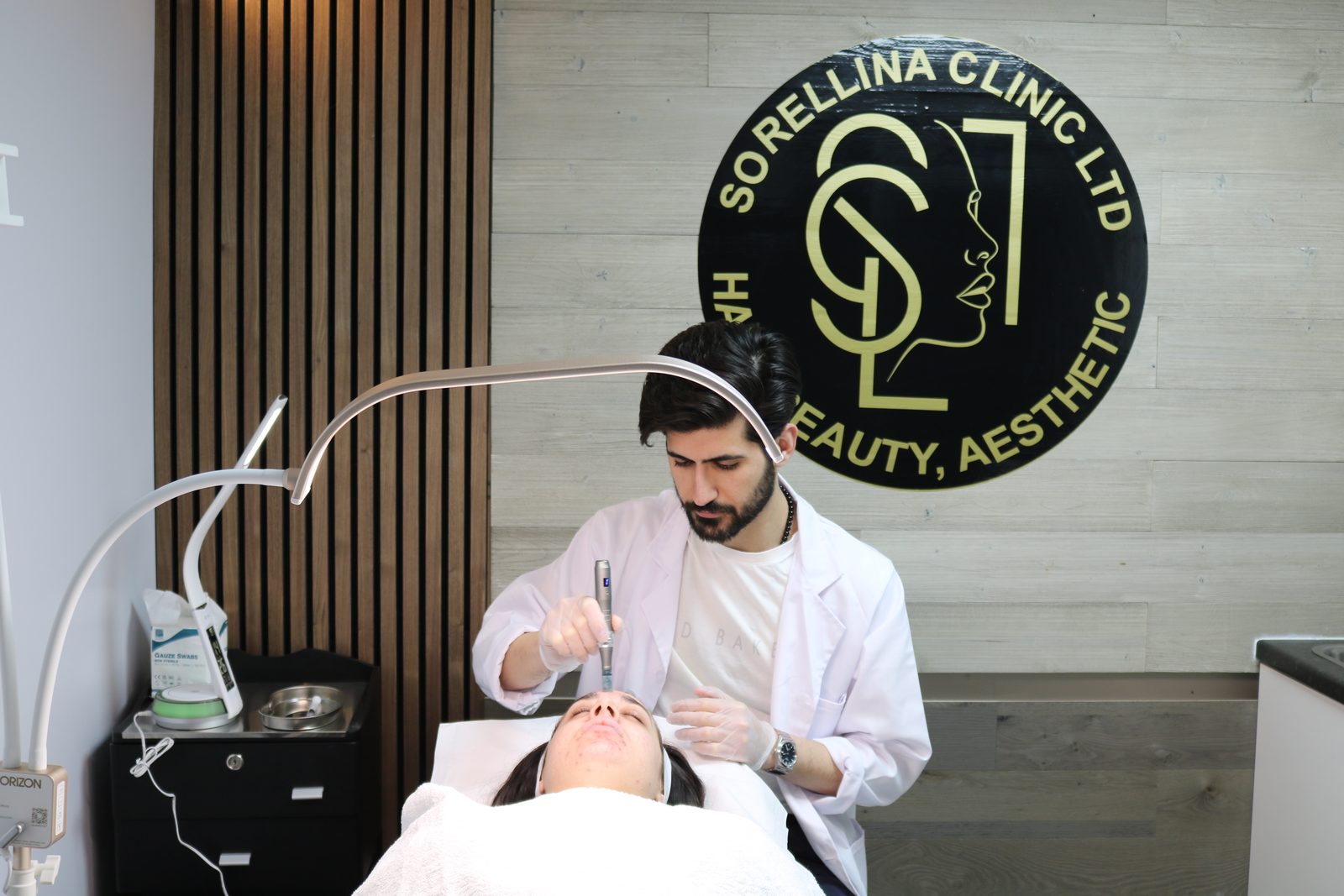
At Sorellina Clinic, in-clinic treatments like our Quad Hydra Facial are built around this same principle: hydradermabrasion and vacuum extraction to properly clear the skin, followed by ultrasonic infusion of active ingredients at a depth home products can't reach — without the aggressive stripping that leaves skin reactive afterwards. Home care is important, but it works best as a companion to the right in-clinic treatment, not a replacement for it.
If your current routine feels like a long list of products with no clear sense of what each one is actually doing, that's usually the sign it's worth a proper skin consultation rather than another purchase.
References
- Kligman AM, Grove GL, Hirose R, Leyden JJ. "Topical tretinoin for photoaged skin." Journal of the American Academy of Dermatology, 1986.
- Pinnell SR. "Cutaneous photodamage, oxidative stress, and topical antioxidant protection." Journal of the American Academy of Dermatology, 2003.
- Bissett DL, Oblong JE, Berge CA. "Niacinamide: A B vitamin that improves aging facial skin appearance." Dermatologic Surgery, 2005.
- Hughes MC, Williams GM, Baker P, Green AC. "Sunscreen and prevention of skin aging: a randomized trial." Annals of Internal Medicine, 2013.